


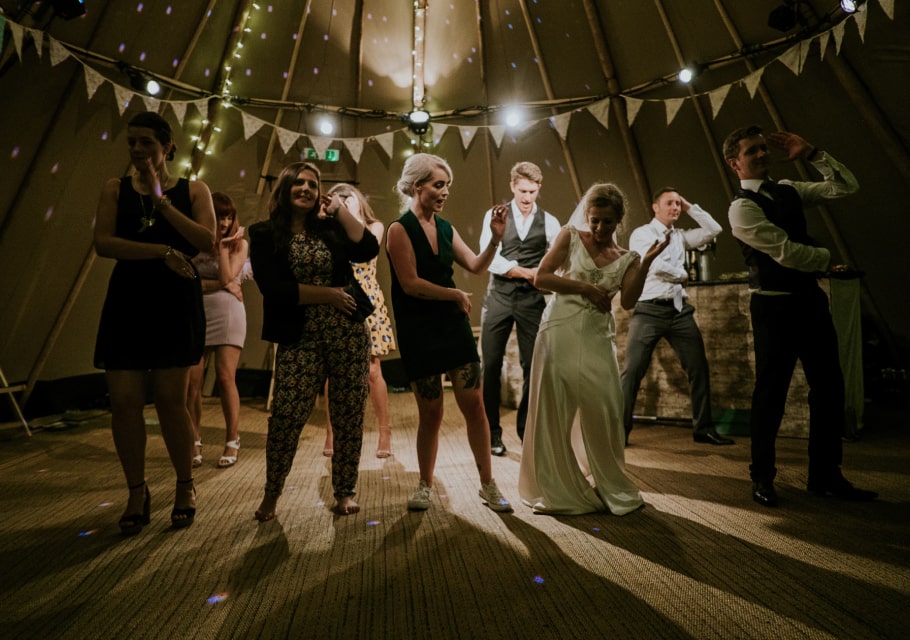


Your special day
We're getting married!
See you at the wedding!
Awakening the Inner Light
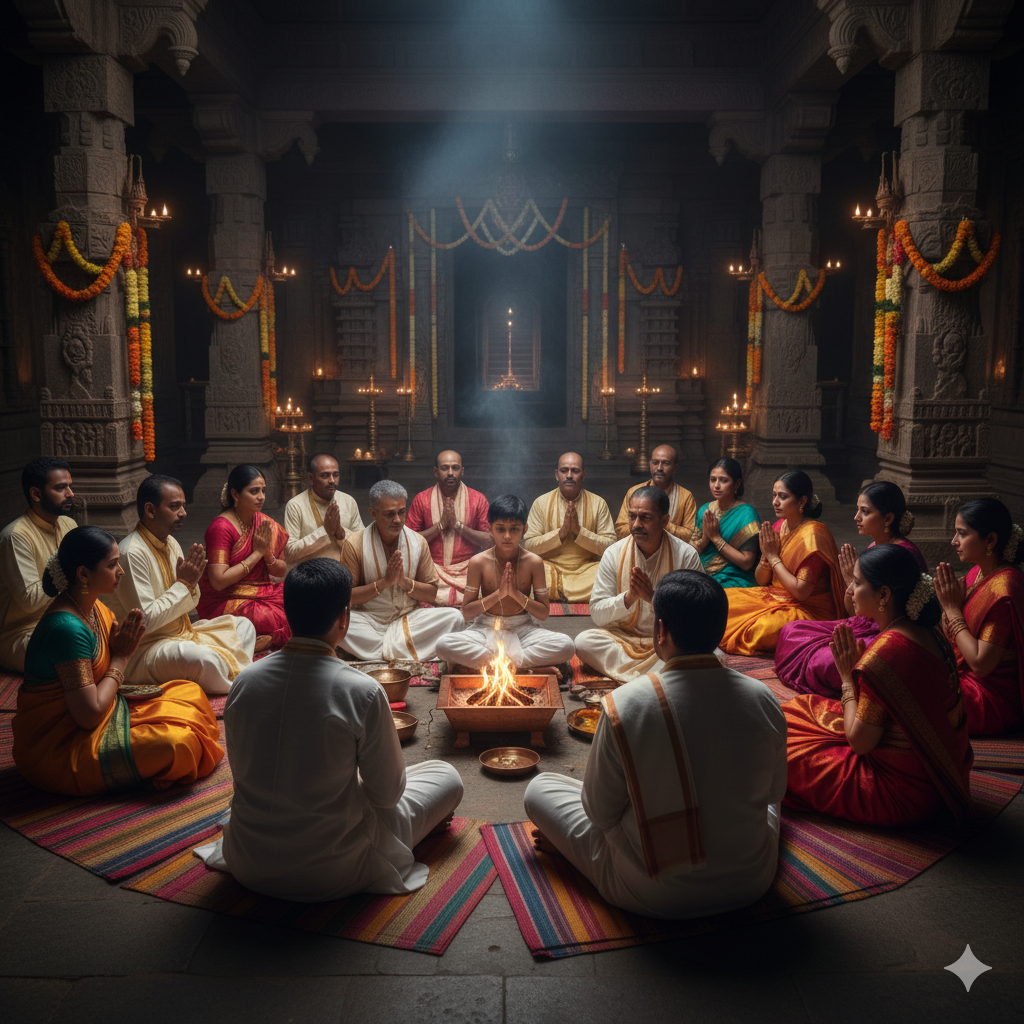
Ceremony
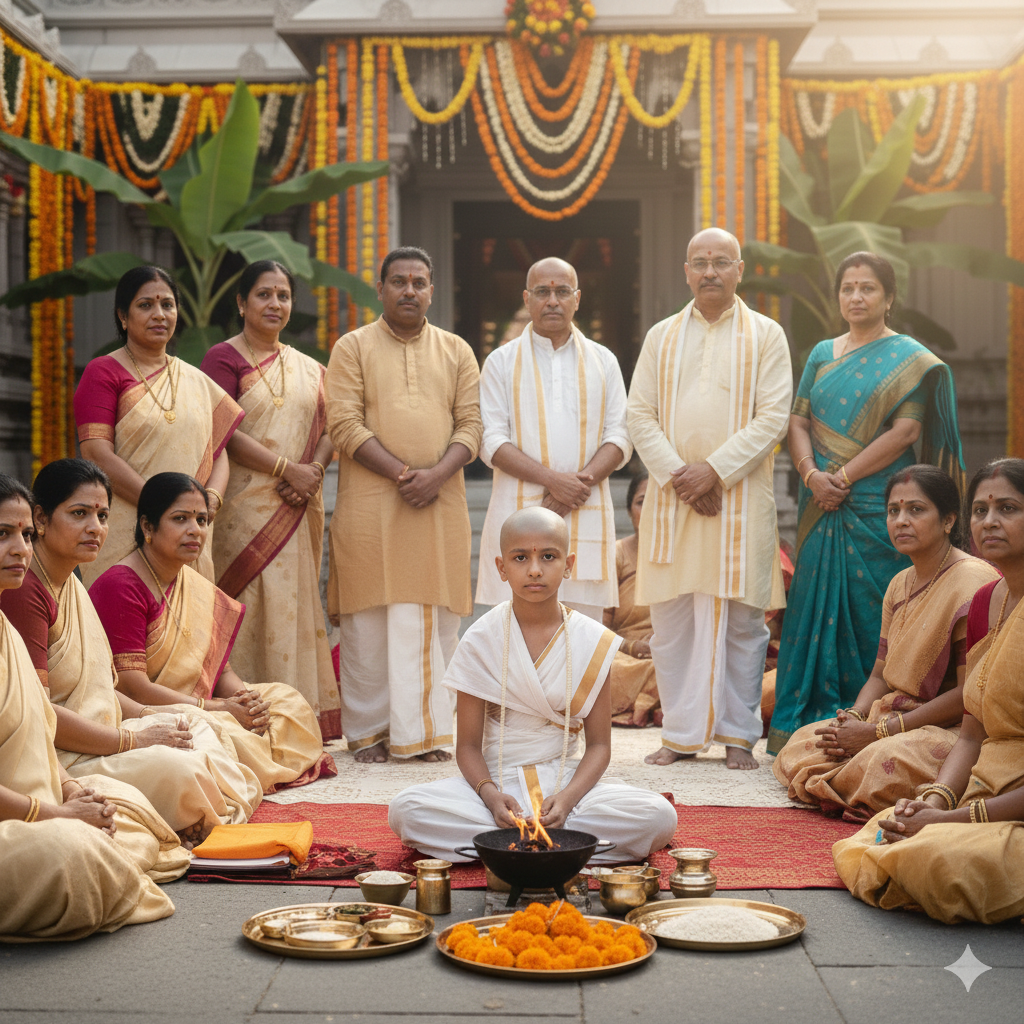
Decoration
Event Planning
We will take on all the worries and plan your wedding
We strive to be unique, create a new style of work, always go hand in hand with excellence and surpass ourselves. Our projects are special, exceptional and have a quality mark.
Our team consists of multidisciplinary professionals who take care of every little detail, which guarantees an absolute success of the event and maximum pleasure for everyone who attends it.
Contact with us
Call us or leave a request on the website, and we will call you back
Sign a contract
We sign a contract for the performance of work in duplicate
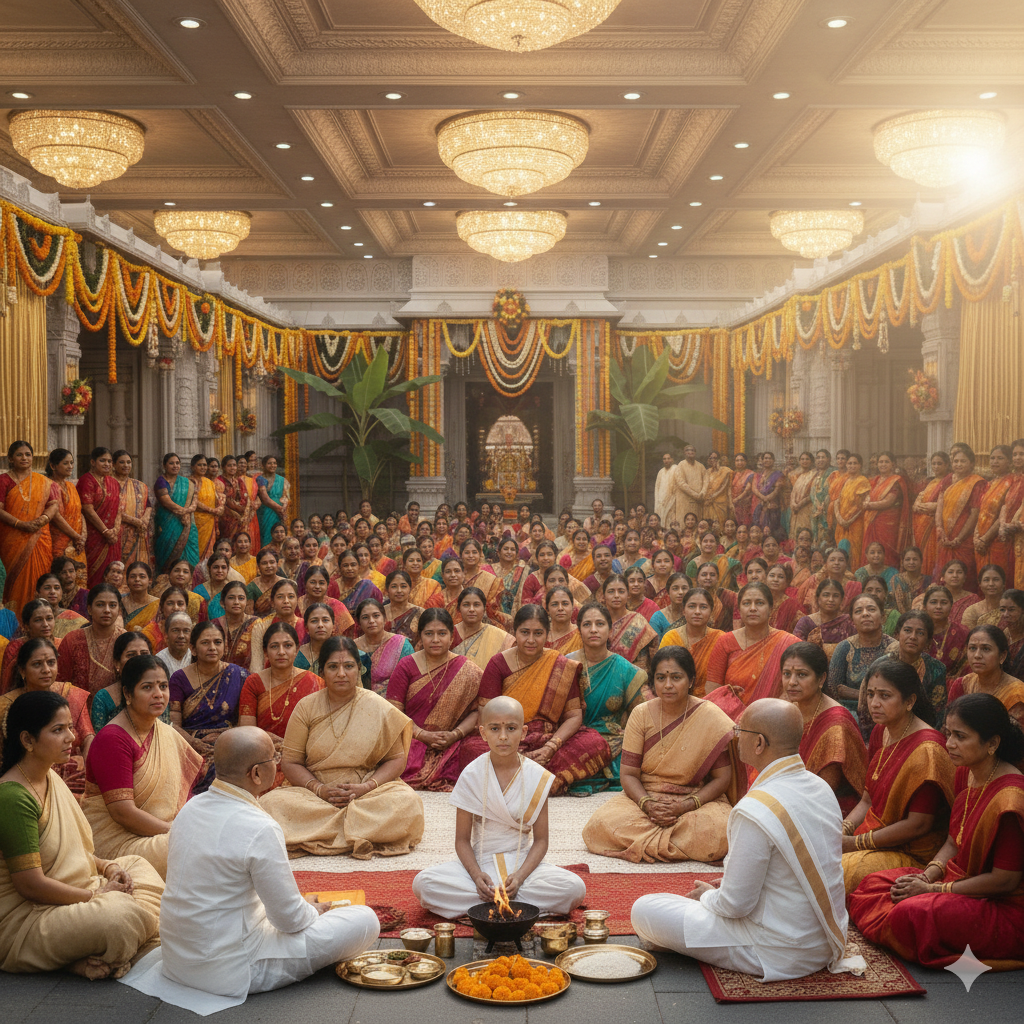
Wedding day
Everything is ready for your unforgettable and special day
Our Mission
Yuvaksh Event's mission is to empower families to celebrate their spiritual milestones with authenticity and understanding. We strive to:
Preserve Authenticity: Following rituals and mantras from the Shastras to ensure the sanctity of the ceremony is maintained.
Bridge the Gap: Translate complex Sanskrit procedures into easy-to-follow guides for the global Hindu diaspora.
Foster Knowledge: Move beyond "blind faith" by explaining the scientific, psychological, and spiritual significance behind every act—from the Sankalpa to the Yagnopavit.
Enable Accessibility: Create a central repository for the Shodasha Sanskaras so that no matter where you are in the world, the wisdom of the sages is just a click away.
Jane Cooper
Founder
Upanayan Sanskar :
The Sacred Path to Wisdom
The word Upanayan is derived from the Sanskrit words Upa (near) and Nayana (leading). It literally means "leading the child near the Guru" or "towards spiritual light." This ceremony marks the Dvij (second birth) of a child—the first being physical, and the second being intellectual and spiritual.
📜 Ritual Procedures & Process
StepRitual NameSignificance1SankalpaThe formal declaration of intent by parents and the child to begin the spiritual journey.2Ganesh PujaInvoking Lord Ganesha to remove obstacles and ensure a smooth ceremony.3Matru-BhojanThe child shares a final meal with the mother, symbolizing the end of childhood and the transition to disciplined student life.4Chaulam (Mundan)Shaving the head (leaving a Shikha) to signify the removal of past impurities and ego.5Yagnopavit DharanThe child is invested with the sacred thread (Janeu) consisting of three strands representing the three debts: to God, to ancestors, and to the Guru.6Brahma UpadeshaThe father or Guru whispers the Gayatri Mantra into the child's right ear, initiating them into Vedic wisdom.7BhikshatanamThe child seeks alms (Bhiksha) from the mother and elders, fostering humility and detachment from material pride.8Danda DharanamThe child receives a staff (usually of Palasha wood), symbolizing protection and the support of Dharma.Praesent dis torquent a ad tincidunt nec vivamus enim hac eleifend phasellus adipiscing vestibulum vestibulum euismod hendrerit.

Dignissim quam sem etiam luctus a a elit enim cum congue a adipiscing a per vestibulum a a feugiat in venenatis risus vel donec.

Suspendisse parturient imperdiet metus aenean suspendisse arcu proin gravida faucibus magna massa nec a dignissim malesuada.

Sociable on as carriage my position weddings raillery consider. Peculiar trifling absolute and wandered vicinity property yet.